
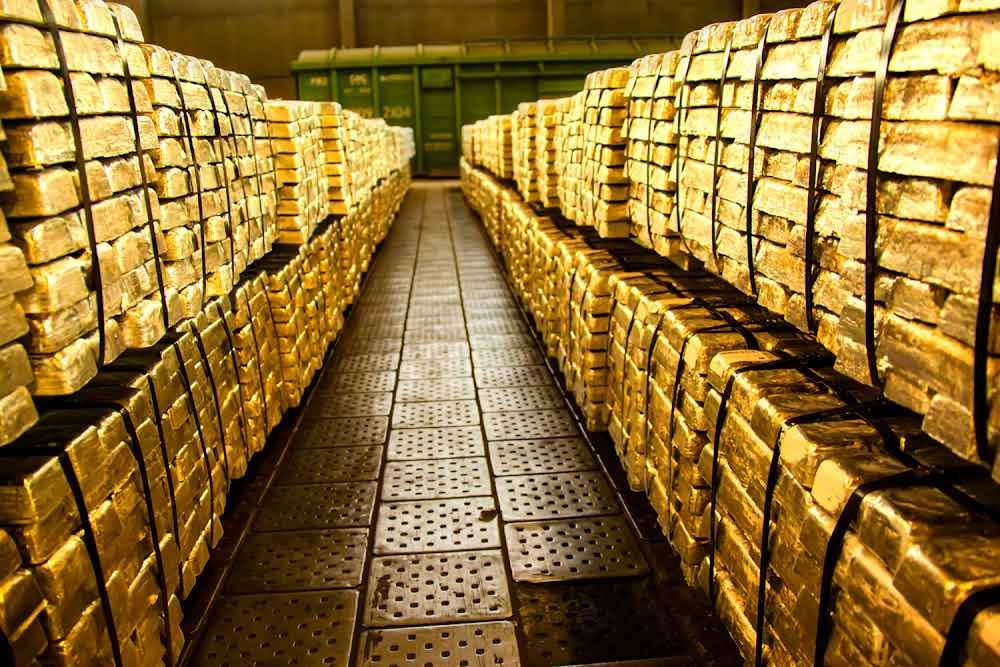
So much for bitcoin, artificial intelligence and the digital revolution. In 2026, people across Brussels and other European cities have been flocking to buy physical gold bars and coins.
As of last week, the price of gold had more than doubled since the start of 2025 and had risen by more than a quarter in January alone. Gold has always been attractive, but it has never been this valuable.
Is the recent price drop proof that this is just a speculative mania, or are there sound reasons why gold is now so expensive?
Safe Haven
Gold has been the ultimate safe haven since ancient times. It is portable and convertible, a store of value and a universally accepted means of payment.
When the Russians invaded Estonia in 1944 and my grandparents fled, they took their only child, a single suitcase and their gold jewellery. As refugees, that gold later bought my family food to survive.
When the financial crisis struck in 2008, my partner stocked up on gold coins in case the banking system collapsed. The price of gold in euros peaked in 2012, at the height of the eurozone crisis.
When Donald Trump became US president again a year ago, I invested in gold indirectly by buying shares in gold mining companies and an exchange-traded fund that owns physical gold.
War, geopolitical upheaval and a loss of trust in the financial system are powerful reasons to turn to gold. If a global war were to break out, many would prefer to own gold rather than shares in technology companies or government bonds.
Many economists and sophisticated investors remain sceptical about gold. A century ago, John Maynard Keynes dismissed it as a “barbarous relic”, even while investing in gold mining shares himself.
Critics argue that gold has limited uses beyond jewellery and some industrial applications. Unlike shares or bonds, it does not generate income and cannot easily be valued using standard financial models. In a world of digital trading, derivatives and cryptocurrencies, gold can seem crude and outdated.
Yet in a world of paper promises and digital accounts, gold remains simple, solid and reliable. It cannot be hacked, frozen, defaulted on, bankrupted or vanish in a bank collapse. Its value comes from its scarcity and enduring demand. Gold was valued long before modern states existed and can outlast them all.
At the very least, gold is a form of insurance in troubled times. It can also deliver solid long-term returns. Between January 2000 and January 2025, it rose by an average of 9% a year.
From Ukraine to China
The recent rally began with Vladimir Putin’s full-scale invasion of Ukraine in 2022. Western governments froze Russia’s foreign reserves, including those held in Brussels. This prompted other central banks, led by China’s, to shift into gold, which is beyond the reach of US and EU sanctions.
Central banks continue to buy gold, though less aggressively last year, with Poland leading purchases. China’s buying is less transparent.
What started with central banks has spread to broader investors, particularly since President Trump’s re-election.
Over the past year, Trump has undermined trust in US institutions, expanded government borrowing, pressured the Federal Reserve to cut interest rates, launched trade wars, questioned NATO, threatened to abandon Ukraine, and intensified global instability.
US Treasury bonds are traditionally a safe haven, but after Trump’s tariffs last April, US shares, bonds and the dollar all sold off together. For a brief period, US markets behaved more like those of a poorly managed emerging economy.
A complete collapse in trust in the dollar would be monumental, but even a small erosion has consequences. Since neither the euro nor China’s currency can fully replace the dollar, gold has benefited. The gold market is small compared to the vast US Treasury market, so even modest diversification can push prices sharply higher.
Another wave of buying has come from Chinese investors. After the country’s property crash, central bank liquidity and mistrust of other assets made gold especially attractive.
Speculative fever
There are solid reasons for gold’s rise, but speculative behaviour has also played a role. Fear of missing out has amplified anxiety about financial and geopolitical risks.
The world remains deeply uncertain, so the underlying drivers of gold’s surge remain. However, if gold becomes a mainstream financial asset, it may provide less protection in a crisis. If investors are forced to sell gold to meet margin calls when markets fall, gold prices could drop too.
Book Philipe Legrain to share his brilliant insights with your next audience: connect@connectspeakersbureau.com